Understanding Event Security: What You Need to Know
In today’s world, the importance of safety and security at events cannot be overstated. Event security involves a myriad of practices and strategies designed to protect attendees, staff, and property during various types of gatherings. From corporate functions to public festivals, ensuring comprehensive Event Security is vital for maintaining order and safety while providing peace of mind to organizers and attendees alike. Whether you’re planning a small gathering or a large-scale event, understanding the landscape of event security can help you make informed decisions about your needs and options.
What does Event Security encompass?
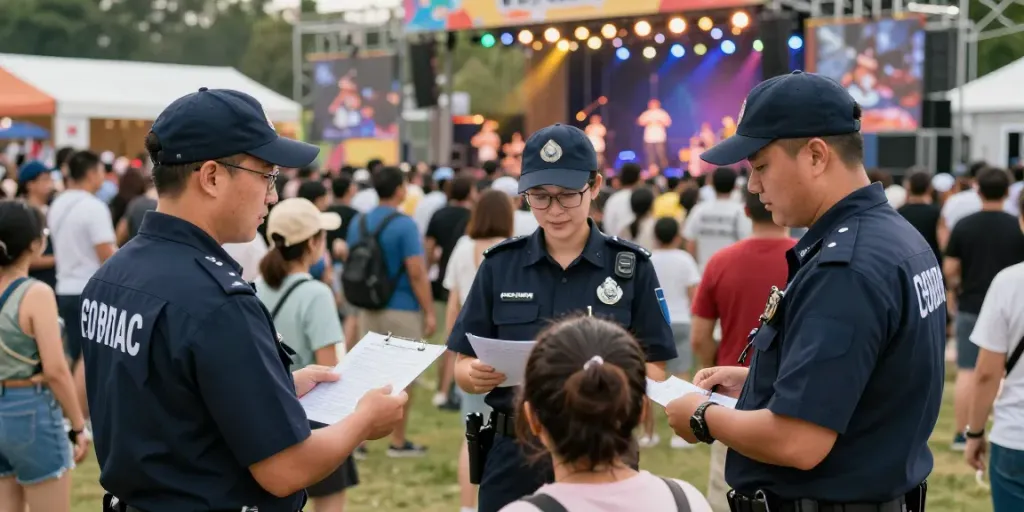
Event security encompasses several critical components aimed at safeguarding event attendees and ensuring a smooth operation. This includes risk assessment, crowd control, access management, surveillance, and emergency response preparedness. The presence of trained security personnel not only deters criminal activity but also ensures that any incidents are managed effectively and professionally. An effective event security strategy should begin long before the event itself, starting with a thorough assessment of potential risks and the implementation of strategies to mitigate them.
Types of Events Requiring Security Services
- Corporate Events: Conferences, product launches, and meetings often require security to manage guests and protect sensitive information.
- Public Festivals: Large gatherings, such as music festivals or parades, necessitate comprehensive crowd management and emergency response personnel.
- Private Events: Weddings, parties, and other personal gatherings may also benefit from security services to manage guests and curb any unwanted situations.
- Sporting Events: Security is crucial for protecting athletes and managing large, passionate crowds.
The Role of Event Security Personnel
Security personnel play several vital roles during events, which can include:
- Crowd Control: Ensuring that guests adhere to safety protocols and that movement in and out of the venue is smooth.
- Access Management: Monitoring entry points to prevent unauthorized access and verifying credentials of attendees where necessary.
- Emergency Response: Preparedness to act quickly in the event of an incident, from medical emergencies to security threats.
- Surveillance: Utilizing technology such as CCTV to monitor activities in real-time and identify potential issues before they escalate.
Choosing the Right Event Security Provider
When planning for event security, it is essential to choose a provider that aligns with your specific needs and budget. Various security companies may offer different strengths and expertise, making it crucial to evaluate your options carefully to ensure optimal results for your event’s unique requirements.
Key Factors to Consider When Hiring
Choosing the right security provider involves several important considerations:
- Experience and Reputation: It is vital to look for a company with a proven track record of successful event security. Reviews and testimonials can provide insight into their reliability and professionalism.
- Customization: Ensure that the security firm can tailor their services to fit the specifics of your event, such as venue layout, expected guests, and unique threats.
- Availability: Confirm the provider's availability during your event dates and their capacity to respond to any last-minute requirements.
Importance of Licensing and Insurance
The security industry is regulated, and it is vital to confirm that the security personnel you hire are licensed and insured. The Security Industry Authority (SIA) in the UK governs this aspect, ensuring that security professionals have undergone proper training and registration. Insurance is equally essential, as it protects you from liability in the event of an incident, ensuring that your interests are safeguarded.
Customer Reviews and References
Do not hesitate to ask potential security providers for references or reviews from past clients. This step can provide crucial insights into the quality and reliability of the services offered. Look for transparency in their interactions and willingness to address your questions and concerns.
Pricing Guide for Event Security Services
Understanding the cost structure of event security services can help you budget effectively and avoid unexpected expenses when planning your event. Here is what you need to know about pricing and the factors that may influence it.
Understanding Average Costs for Security Personnel
On average, security companies in London charge between £12 and £20 per hour for basic security guard services. However, specialized services for event security can range significantly based on various factors, including the size of the event and the level of expertise required. For larger events, or those with heightened security needs, prices can be higher, often extending to £30-£50 per hour or more, depending on the context.
Factors That Influence Pricing
- Event Size: Larger events typically require more personnel and resources, increasing overall costs.
- Duration: Event length can significantly affect pricing; expect to be charged hourly rates that reflect the commitment of security personnel.
- Complexity of Security Needs: Events that require advanced technology, specialized equipment, or a sophisticated approach will likely incur higher fees.
Transparent Breakdown of Event Security Costs
When discussing costs with potential security providers, ask for a clear breakdown of expected expenses. This should include personnel costs, equipment rental (if any), transportation fees, and other related charges. Transparent providers will offer this information upfront, ensuring that you can make informed decisions based on your budget.
Local Regulations Impacting Event Security
Compliance with local laws and regulations is not only essential for legality but also plays a crucial role in ensuring the safety of all event attendees. Events must adhere to specific safety standards that can greatly influence planning and execution.
Compliance with Safety Standards
Local governments often mandate various safety measures for event hosting, which can include rules about crowd sizes, emergency exits, and fire safety regulations. Understanding these requirements is crucial to prevent legal issues and ensure a successful event.
How Local Laws Influence Event Planning
Local legislation concerning security may require you to obtain permits or comply with specific operational guidelines. Engaging with a knowledgeable event security partner can help navigate these regulations, ensuring that your event adheres to all legal requirements.
Mandatory Certifications and Qualifications
Ensure that your security providers possess the necessary certifications required by local authorities. This often includes licenses for specific services like door supervision or event security. Hiring a provider that emphasizes compliance and prioritizes training ensures both safety and professionalism at your event.
Seasonal Tips for Event Security
Different seasons may present unique challenges that impact event security. Understanding these seasonal nuances can help you better prepare for potential risks.
Planning for Seasonal Events
High-traffic seasons such as holidays or summer months can significantly impact event attendance and risk factors. It’s essential to anticipate larger crowds, increased excitement, and the potential for heightened security concerns. Proper planning and sufficient staffing levels should be adjusted accordingly to ensure safety.
Emergency Preparedness Strategies
Regardless of the season, having an emergency preparedness plan in place is advisable. This should include rehearsed evacuation procedures, protocols for handling major incidents, and easily accessible emergency contact information. Educating staff and attendees on these measures will foster a more secure environment.
Community Engagement Through Event Security
Engaging with the local community can enhance event security. For more information, Event Security offers valuable insights. Building relationships with local law enforcement and emergency services ensures coordinated responses during emergencies. Additionally, involving community volunteers in security roles can promote public safety awareness while encouraging local engagement.